
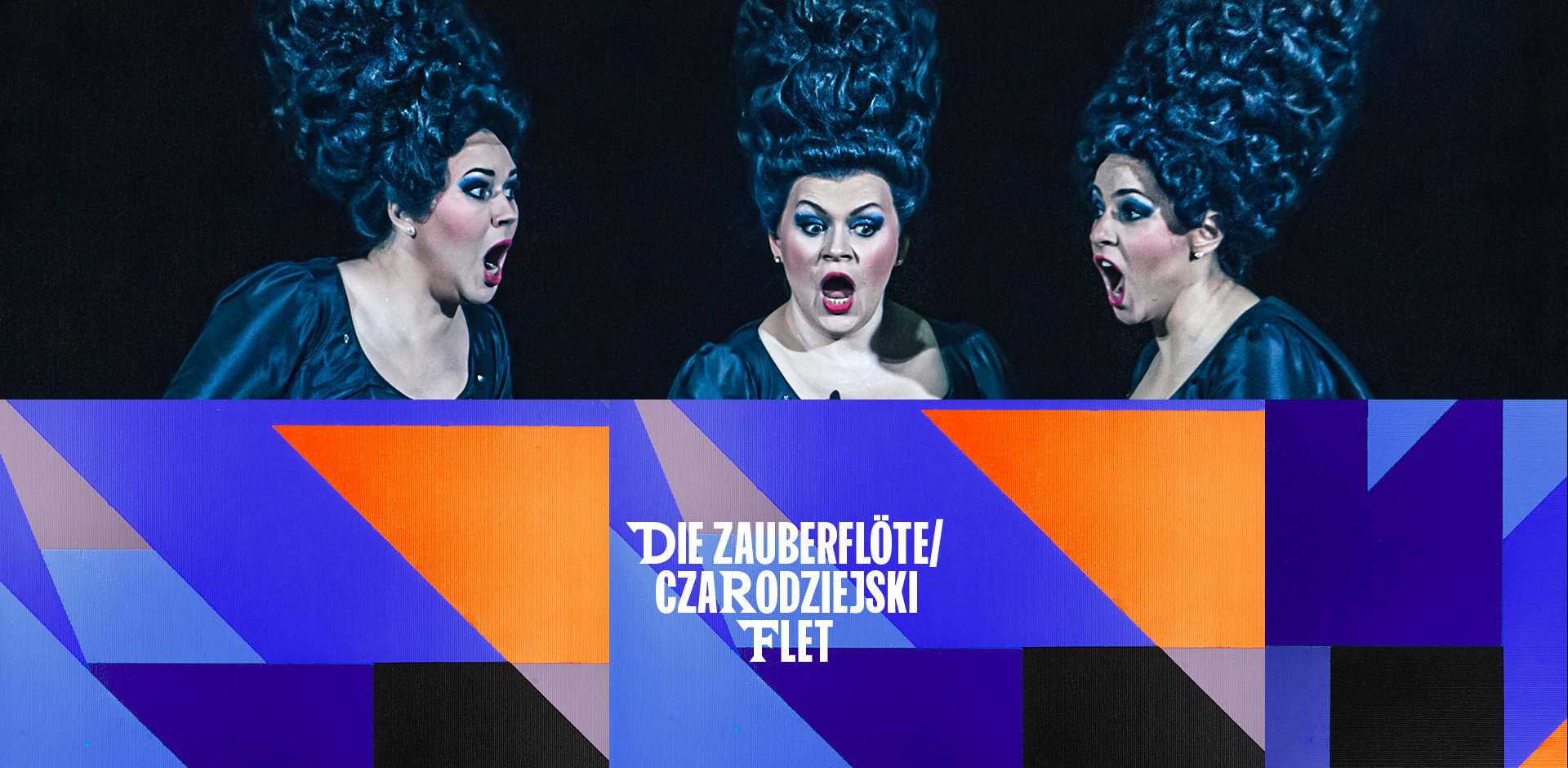
Die Zauberflöte (The Magic Flute) by Wolfgang Amadeus Mozart is, on the one hand, a work of outstanding musical, dramatic and expressive genius, and on the other – one full of enigmas and hidden meanings. Completed and premiered at the end of September 1791, just a few weeks before the composer’s death, the opera continues to fascinate and inspire generations of creators and audiences.
The libretto for this two-act singspiel was written by actor and playwright Emanuel Schikaneder, who also performed the role of Papageno at the Vienna premiere. The last of Mozart’s operas immediately won the hearts of audiences and proved a financial success. The use of Masonic symbolism and the composer’s untimely death contributed to the work’s aura of mystery, leading interpreters of the Viennese master’s music to develop a wide range of more or less plausible theories. In reality, however, the Masonic interpretation is only one of many possible readings – at its core, the story is about a journey, the struggle between good and evil, the path to adulthood, and the pursuit of an ideal of social harmony. These are universal themes, expressed by Mozart in an extraordinarily vivid and at times surprising musical language.
